Refrigeration
Columns and bottom-freezers sit inside cabinetry. Cooling, frost, and ice faults are traced through airflow and the sealed system in place.
View service
Diagnosis and repair for built-in kitchen appliances across Los Angeles County and Orange County. Request a visit with the appliance type and the symptom.
Seven categories, each with a different mechanical and installation context. Open a service page for that appliance type.
Columns and bottom-freezers sit inside cabinetry. Cooling, frost, and ice faults are traced through airflow and the sealed system in place.
View serviceStanding water, a panel code, or a weak dry cycle is a drain, heat, or control problem on Emerald®, Sapphire®, and Star-Sapphire® machines.
View servicePro Grand® and Pro Harmony® combine cooktop ignition with oven control. Heat and lighting faults are isolated on that chassis, not inferred from the symptom alone.
View serviceMasterpiece® and Professional ovens share a wall with neighboring units. Heat, steam, and control faults have to be isolated without treating the whole stack as one appliance.
View serviceStar® gas is an ignition and flame problem. Freedom® induction is detection and power under the glass. Those are different repairs.
View serviceA hood is tied to the cooking surface below it and the duct path above it. Weak pull, noise, or dead lights can be the blower, the duct, or the control.
View serviceThese machines sit in millwork with water and waste lines behind the panel. Brewing, pressure, and leaks are handled as a built-in, not a countertop unit.
View serviceThese are repair scenarios diagnosed on site. They are not a ranking of how often each occurs.
The compressor or fans still run, but refrigerator or freezer compartments sit above a safe temperature.
Water at the base of a dishwasher, refrigerator, or built-in coffee unit during or after a cycle.
A new grind, knock, or rattle from a fan, pump, or blower that used to run quietly.
The panel lights, or it stays dark — either way, the cycle, burner, or oven never begins.
Wash water still in the dishwasher tub after the cycle should have emptied.
An oven or cooktop that never reaches heat, or holds a temperature that does not match the setpoint.
Safety first For your safety, unplug a malfunctioning appliance and avoid DIY repairs on gas, high-voltage or sealed refrigerant systems. Our technicians handle these diagnostics with the right tools and training.
A column or wall oven is not a freestanding box. The surrounding cabinetry, utilities, and adjacent appliances are part of the job.
A column that will not cool and a dishwasher that will not drain are different systems. Testing follows the appliance in front of us.
Panel-ready doors, tight toe-kicks, and neighboring cabinets affect how a unit is reached. That constraint is part of the visit.
Diagnosis produces a named set of work — what is included and what is not — before tools come out for the repair.
You hear what failed and why, in the kitchen, before a repair is proposed.
Stone, millwork, and finished floors are treated as the job site. The appliance comes out and goes back with the surrounding kitchen in mind.
You leave with what was found and what was done, not only a verbal summary at the door.
A built-in kitchen is a system of appliances, cabinetry, and utilities. Diagnosis has to respect those constraints, not treat the unit as a box on a bench.
Six steps from the first message to documented work. Appointment timing is confirmed with you for that address.
Send the appliance type, the model if you have it, and the symptom. That is enough to start.
We confirm which unit and what it is doing — a code, a leak, no heat — so the visit is prepared for that appliance.
A visit window is scheduled. Timing depends on the address and the appliance; it is not a fixed same-day promise.
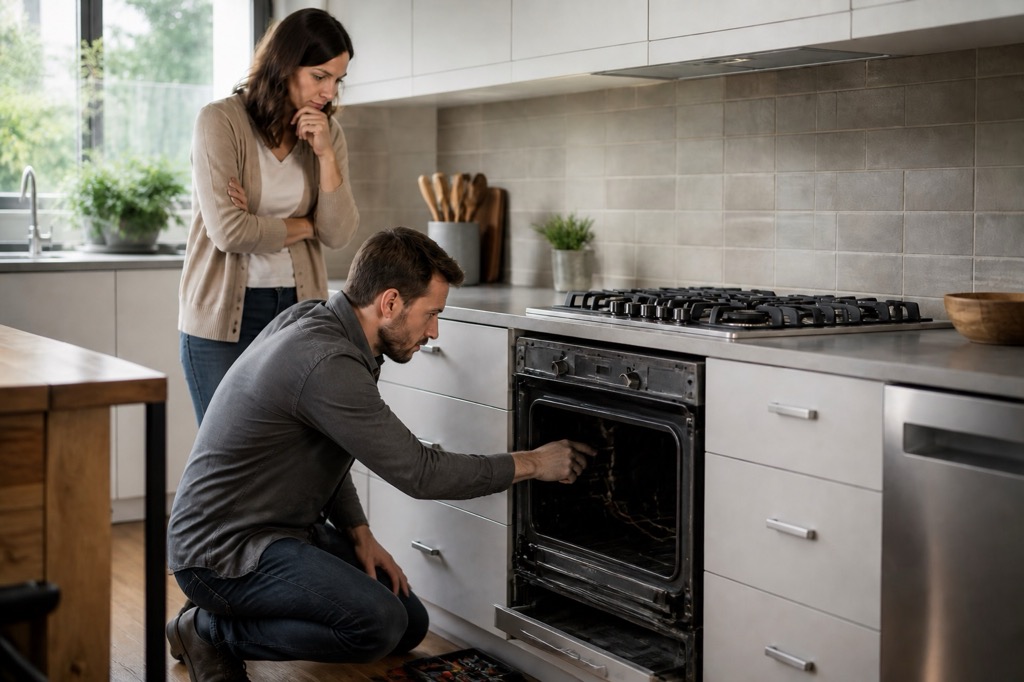
On site, the technician isolates the fault on that unit, including how it is built in.
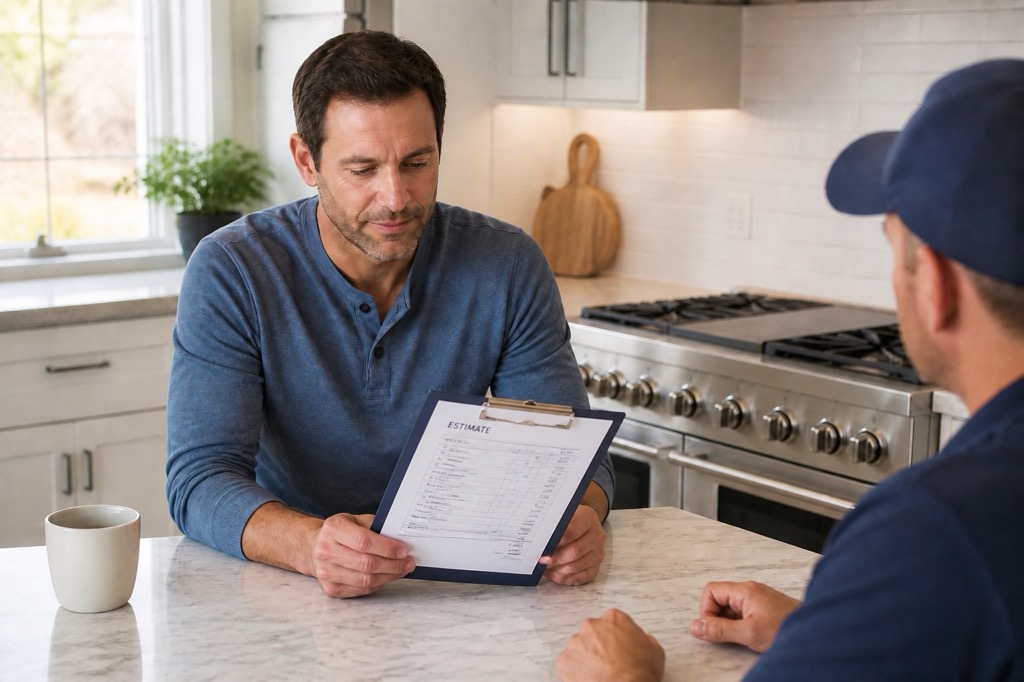
You get a defined scope and cost for the recommended work. Repair starts only after you approve it.
After approved work, the appliance is checked in use. You receive a record of what was done and any applicable service terms.
Thermador appliance repair for Los Angeles, Los Angeles County and Orange County. Choose a region to see local coverage.
View All Service AreasPractical standards for how the visit is run — scope, surfaces, checks, and the record you leave with.
The fault and the proposed work are stated before repair begins.
If diagnosis expands the job, that change is explained and approved first.
Surrounding millwork, counters, and floors are protected during access and reinstall.
The repaired function is tested on the appliance before the visit ends.
Findings, work performed, and next-step notes are recorded.
Completed repairs may include workmanship coverage where applicable. Duration and exclusions are provided with the estimate.
The useful output of a visit is a clear decision, not a predetermined repair.
The appliance is doing something specific — warm compartments, a code, no ignition, standing water.
Diagnosis separates the symptom from the failed part, including related components that belong in the same system.
You then have a defined choice: proceed with the recommended work, wait on a part, or leave the appliance as diagnosed.
What a service visit is for, and how decisions are made on site.
A visit is a diagnosis, not an automatic repair. You should leave knowing what failed, what the work would involve, and whether you want that work done.
Diagnosis sets the repair scope. If a part is required, it is named there and reviewed with you before that work continues.
Error codes, model families, and how the guides on this site are reviewed.
Look up a displayed code and what it typically indicates before you book.
Explore error codesAppliance types and model families referenced on this site.
View supported modelsHow articles and error-code explanations on this site are prepared and reviewed.
Meet our experts
Writes and reviews Thermador appliance repair guides with a focus on clarity and safety.
View profilePractical, technician-reviewed articles on Thermador kitchen problems, safe troubleshooting and everyday maintenance.
A useful estimate names the diagnosed work, the part if one is required, and what happens if another issue appears.
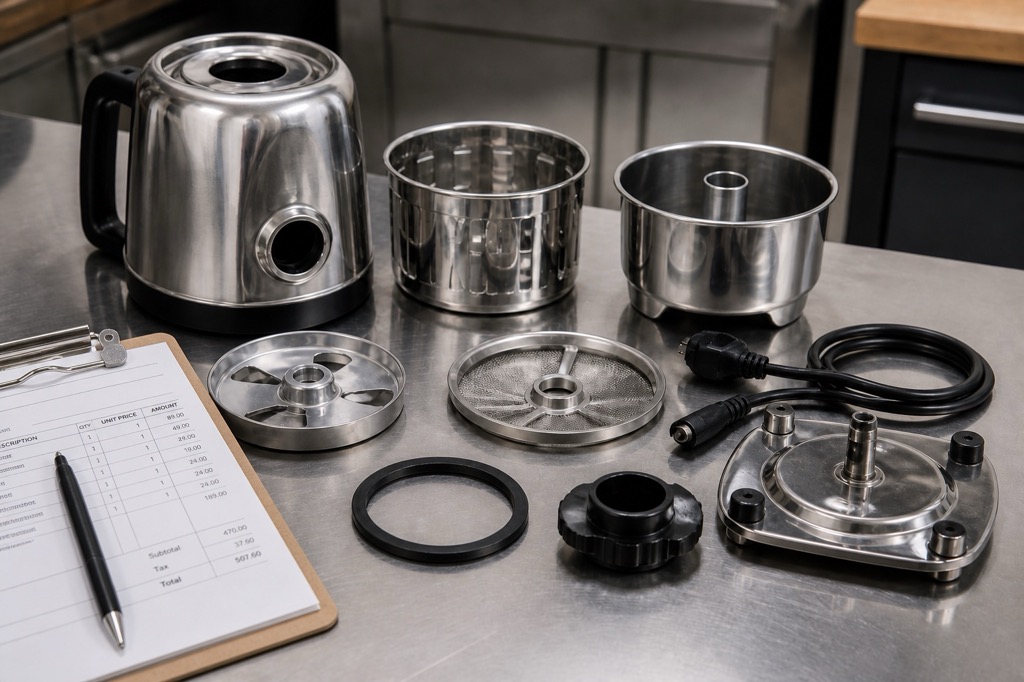
Part choice can move the final bill. This article does not require OEM-only parts or treat substitutes as automatically unsafe.
Repair versus replacement is a comparison after the fault is named — not a decision from age or a phone range.
Coverage, booking details, and what happens after diagnosis.
Refrigerators, dishwashers, ranges, wall ovens, cooktops, ventilation, and built-in coffee machines — the kitchen line in a Thermador suite. Name which unit is failing when you book.
The appliance type, the model number if it is visible on the dataplate, and a short description of the symptom (a code, a leak, no heat, no cooling). A ZIP code confirms whether the address is in Los Angeles County or Orange County.
Not automatically. Diagnosis produces a defined scope. You decide whether that work proceeds, including if a part has to be ordered first.
Part requirements are identified during diagnosis and discussed as part of the repair scope. Availability and timing are confirmed with you before that work is scheduled or completed.
Completed repairs may include workmanship coverage where applicable. Duration, scope, and exclusions are provided in writing with the estimate. Any manufacturer warranty on the appliance itself depends on your original purchase terms.
Los Angeles County and Orange County. The service-area index lists regional hubs and cities. If the address is near a county line, include the ZIP when you book.
Share your model and symptom and we’ll confirm an appointment. Prefer to talk? Call us and we’ll help right away.